Search
Close X





News
Tongji University 2025 MOFCOM Scholarship Students Conduct Field Study in Anji
Published:16/04/2026
From April 10 to 12, 2026, the UNEP-Tongji Institute of Environment for Sustainable Development (IESD) organized MOFCOM Scholarship international students for a field study in Yu Village, Anji County, Zhejiang Province. Yu Village is the birthplace of the important concept “lucid waters and lush mountains are invaluable assets,” proposed by President Xi Jinping. Young students from countries along the Belt and Road visited the village, immersing themselves in the remarkable transformation driven by green development and deepening their understanding and identification with Xi Jinping's Ecological Civilization Thought through firsthand experience.
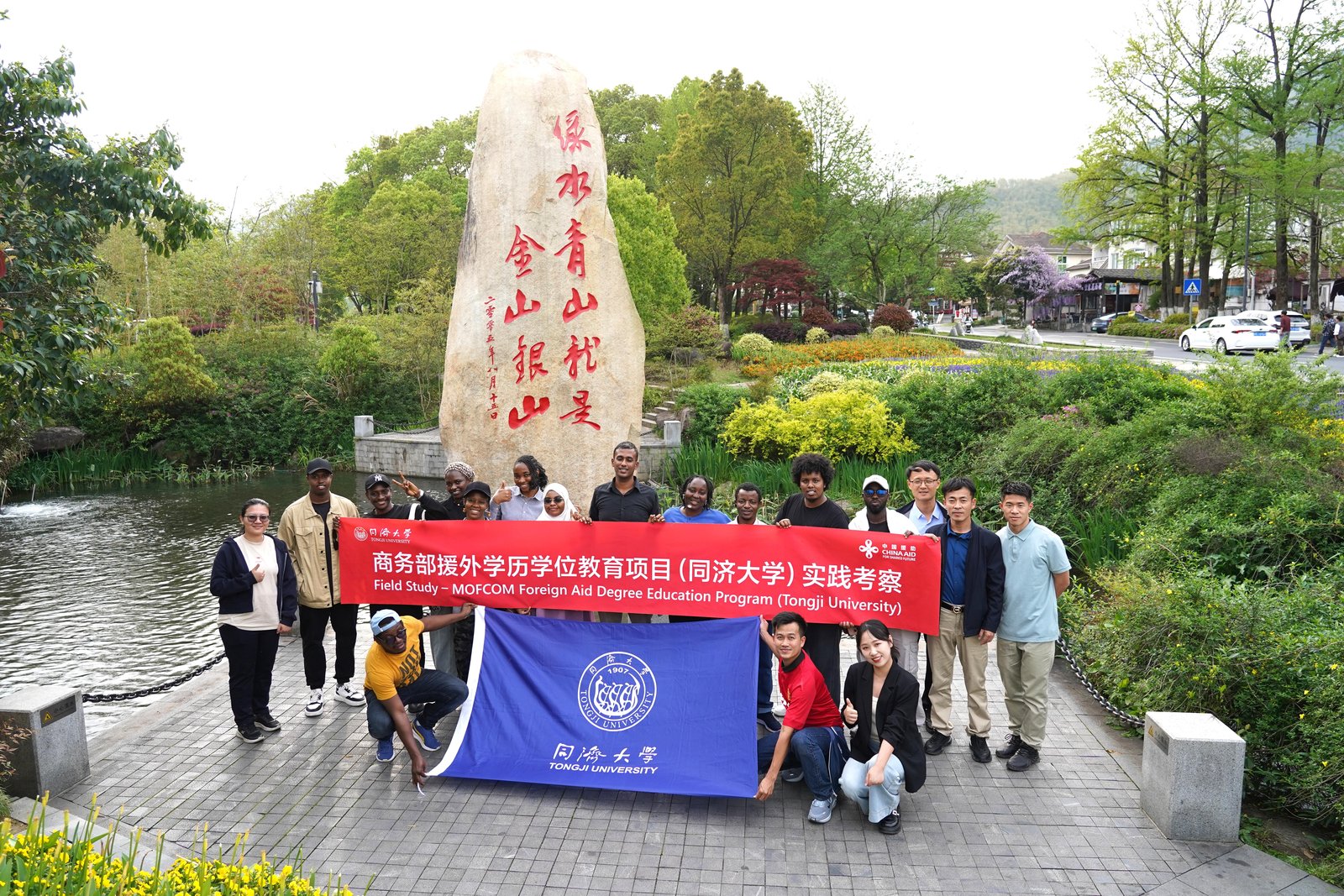
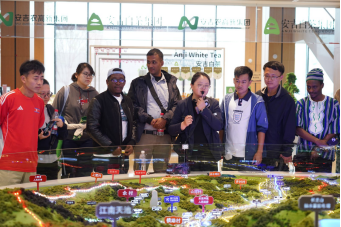
At the Yu Village Cultural Hall, the international students watched a video of President Xi Jinping's inspection in Anji and studied the background and profound implications of the“Two Mountains”concept. Through guided explanations, they gained a deep appreciation of China's wisdom in using visionary ideas to guide the coordinated development of ecological conservation and socio-economic progress, and witnessed how Yu Village transitioned from a mining-dependent economy—“living off the mountains”—to a model of eco-tourism and green industry—“nurturing the mountains for prosperity.” After the session, all students and faculty took a group photo in front of the “Two Mountains” commemorative stone stele.
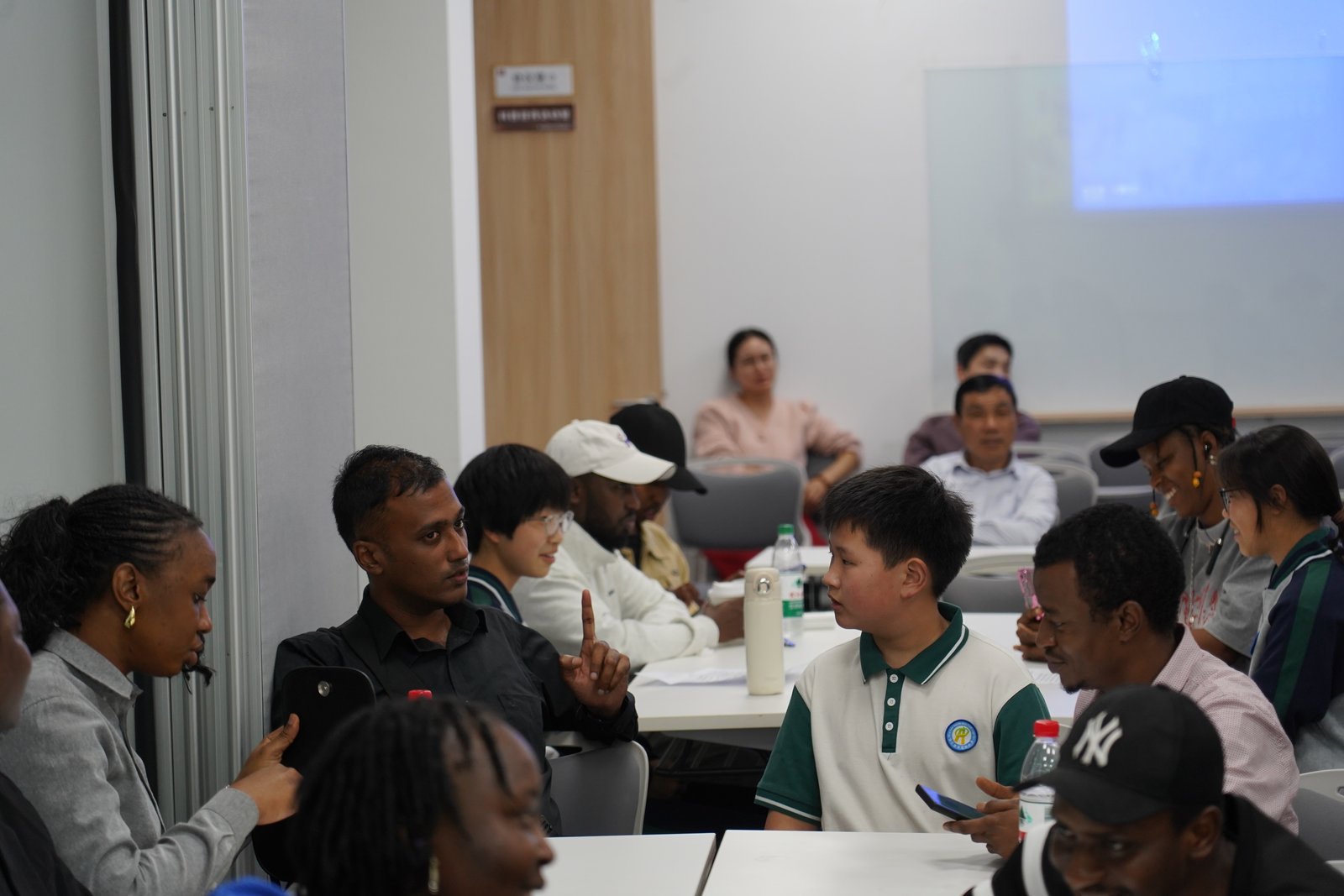
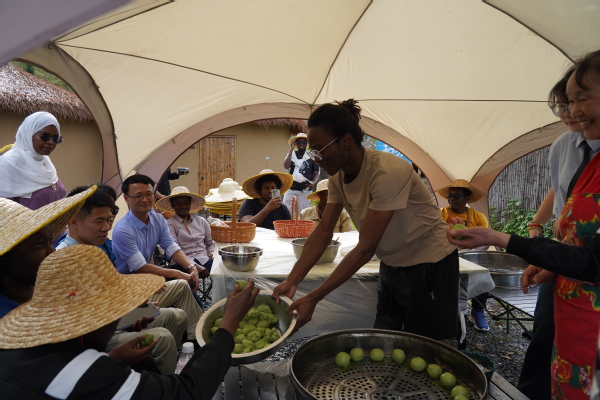
At the village English Corner, the international students sat together with local middle-school students and village representatives, sharing in English their countries' experiences in ecological governance and cultural characteristics. The friendly interaction helped forge closer bonds. Participants also tasted Anji white tea and experienced local eco-agricultural products, personally witnessing how ecological resources are leveraged to foster distinctive industries and achieve common prosperity.
In the Yu Village Youth Talent Community and the Achievement Exhibition Center, local staff gave a comprehensive introduction to Yu Village's journey of closing mines, carrying out ecological restoration, promoting industrial transformation, and pursuing green revitalization. The international students learned in detail about the outcomes in rural governance, talent cultivation and other areas, coming to a deeper understanding of how the “Two Mountains” concept has been translated from a theoretical proposition into tangible development results.
This field study was an important component of the Institute's effort to implement the MOFCOM talent-training objectives and deepen international students' understanding of China's ecological-civilization progress. By stepping out of the classroom and tracing the origins of the concept, the students gained a more systematic and vivid understanding of Xi Jinping's Ecological Civilization Thought, and strengthened their identification with the ideas of green, low-carbon and sustainable development. In the future, the Institute will continue to optimize its practical-teaching system for international students, contributing to the cultivation of global talent who can advance green development under the Belt and Road Initiative.
The participating international students shared their reflections and gains from the trip.
“This field trip introduced me to Yucun Village in Anji and gave me insight into the local journey of ecological governance and development. This was the key takeaway from the visit—a successful strategy that can serve as a model for other counties and provinces in China, as well as provide valuable lessons for developing countries.”
—TENG BUNCHHAY, student from Cambodia
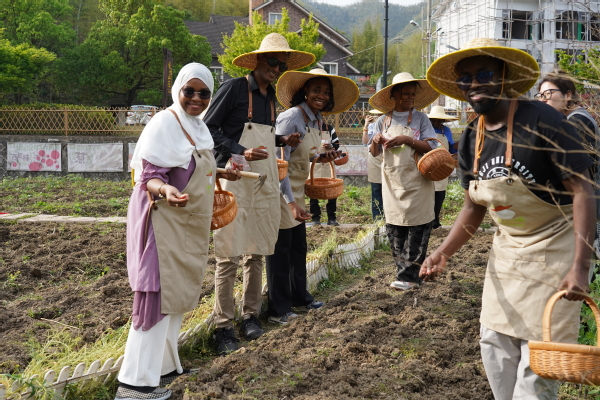
“I gained a deeper understanding of sustainable practices and how local communities integrate ecology with daily life, which helped me connect classroom theories with real-world examples especially in areas like green planning and cultural preservation. I also appreciated the hands-on learning experience and the chance to interact with local residents and observe their lifestyles. Overall, I feel more motivated and practically informed, and I believe such field trips greatly enrich our academic journey.”
—SAIDY KHAN FATOUMATTA, student from the Republic of the Gambia